For the coach who knows
their work is bigger than their marketing shows
Your work's value
is undeniable.
Let's show it.
Differentiation Strategist for Coaches & Practitioners
What’s actually slowing your growth right now?
Most businesses don’t have a traffic problem.
They have:
a positioning problem,
a messaging disconnect,
weak conversion pathways,
or customer insight they haven’t operationalized yet.
This 7-question audit helps identify where your biggest strategic opportunity is hiding.
"Cathy entered my world at a time when I
was in the middle of a massive pivot in my business.
She came in and just made it all make sense.
She understood my vision so deeply in such a unique and powerful way. She listened, advised and all of it just clicked. I'm so grateful for her support!
I’ve invested thousands in coaches and containers and feel like it fell short because they couldn't understand my vision as deeply as she could.
Vivian McKenzie
Visibility Coach for Legacy Brand Founders
"Cathy works to maximise you and your product in a way that favours your capacity levels - not trying to crowbar you into a 'winning' format.
She follows the data - yes always - but she is also brilliantly creative in her ability to brainstorm ways of meeting the data AND your needs.
She is NOT a one-format-ready-meal-microwave-ovenable solution. She will walk with you, step by step, until you can walk on your own.
I cannot recommend her enough."
Allegra Salvoni
Relational Clarity Coach for Business Leaders

Your referrals buy.
Your followers don’t.
Your clients rave about working with you.
Your marketing leaves strangers... without a clue why.
Fret not. That often happens with work that is intangible.
Your methodology, your differentiators, the value of your work... stay invisible to people before they buy.
Your clients feel them. They talk about them.
So your referrals convert.
But, if we want followers to buy...
the value you bring to the table needs to be visible, nay, palpable, to them as well.
Rather inconveniently... what you do differently has become so natural to you that you can't put your finger on it.
You can't tell what's unique about you from a buyer-who-knows-naught perspective.
That's proverbially... where I come in.
Going through my client-lens process means that...
✓ You know what your buyers don't yet 'see' that your clients do
✓ You discover what you do implicitly that makes clients stay & refer you
✓ You understand the prerequisites for their buying decision
✓ You see your work's value through the lens of your audience
✔ Your content & copy show (and sell) your work's value
"Cathy will come back to me with the most amazing strategy and outside-the-box thinking.
She helped me see what my audience is telling me, as opposed to me guessing. She validated which of my big ideas are not only needed... but WANTED."
Patrice Poltzer
Video Storytelling Coach & SaaS Founder

"Her process is impeccable.
Thorough initial analysis, data-based decisions along the way, perfect organization, timing and project management.
All that combined expectedly leads to an amazing result."
Maksim Matrenitckii
CEO of Cyberian Mine GmbH
Make your value visible
Here's how you can work with me these days.
The Unseen Value
(Power Hour)
Get on a call pronto if you feel that your value is clear to clients but invisible to your audience.
Let’s see where your marketing undersells your work and what you can do about it.
$177

The Difference Reveal
(VIP Day)
This 1-day extravaganza for your clarity & confidence leaves you with...
your unique methodology & its differentiation points named + a plan for integrating them into your current marketing.
$777

The Expectation Experience
(Done for You)
The full differentiated value package, where I equip you with a clear offer map + messaging guide including custom templates & hooks for your copy & content at every stage of the customer journey.
prices start at $4,000







"Cathy looked at website data, email data and figured out ways to improve.
I finally feel like I can effectively communicate and connect with my customers!
Her mix of creativity and analytics is a winning combination."
Laura Beck
Founder of LottoLove

"Cathy just made all the stuff in my head make sense. I was over-complicating everything about my business.
I had no clear path forward, and she helped me line up my next steps.
Cathy’s brain works differently and that’s where her creativity shines. She also cares so much about the work she does."
Shayla Bunting
Tech Problem Solver

"Knowledgeable, kind, always listening.
A wordsmith extraordinaire with a strategic mind for designing funnels and writing copy and a stunning work ethic."
Ioana Stepanov
Brand Strategist & Agency Founder
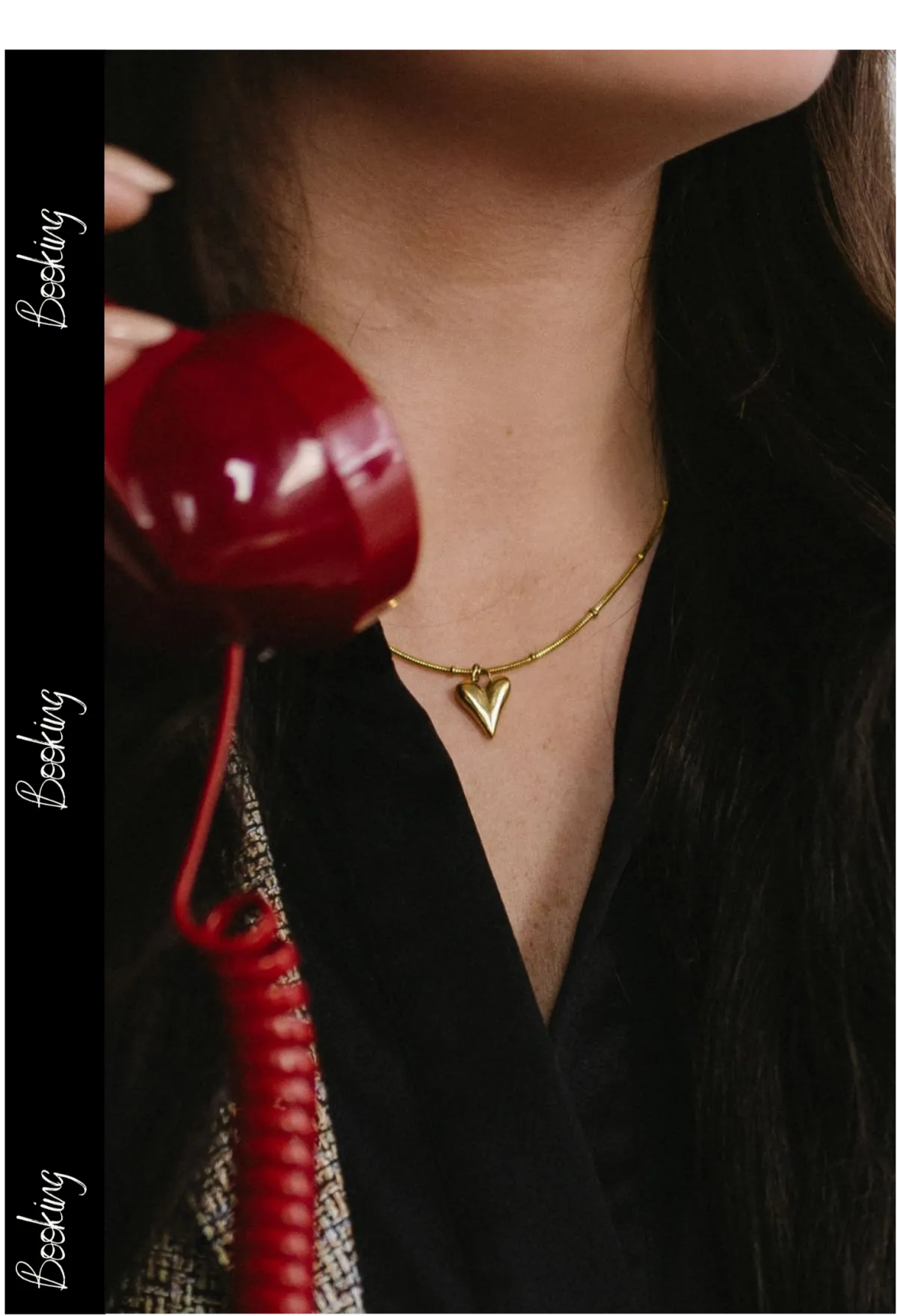
Ring...
Ring...
Show them the value you bring.

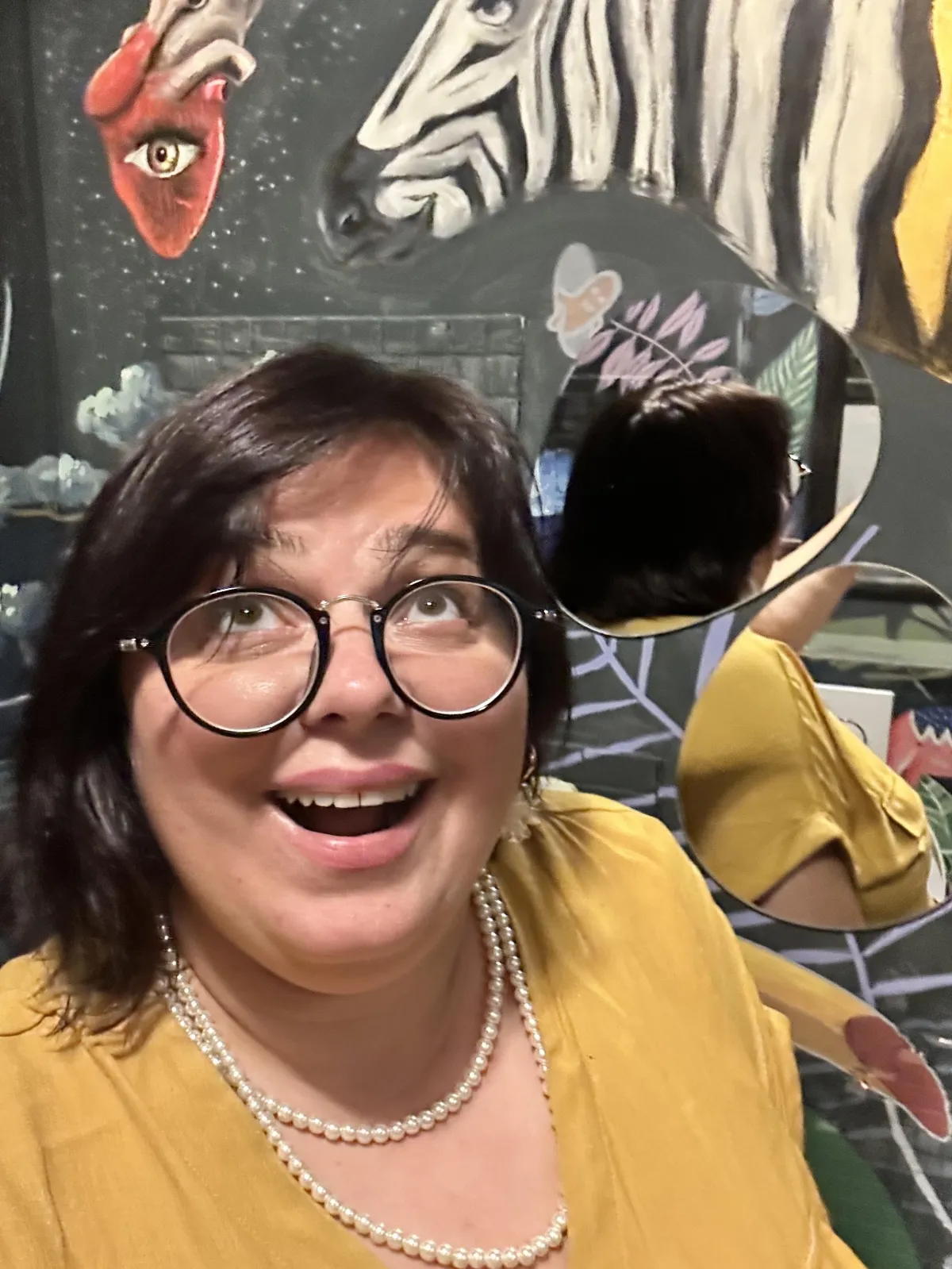
Here comes... Cathy.
differentiation strategist
behavioral econ MSc (in progress)
6 years of personal brand marketing, helping clients from the US, Canada, Austria, Germany & the UK
3.5 years running client campaigns ranging from last-minute $8,000 Black Friday bundles to full-prep $147,000 launches
passionately geeking over my behavioral economics Master's degree
Because essentially, deciding to buy something is a behavioral shift.
How cool that you're here 🧡
Hear the Buzz
from my happy clients
"Cathy will come back to me with the most amazing strategy and outside-the-box thinking. She helped me see what my audience is telling me, as opposed to me guessing. She validated which of my big ideas are not only needed... but WANTED."
Patrice Poltzer
Video Storytelling Coach & SaaS Founder
"Her process is impeccable. Thorough initial analysis, data-based decisions along the way, perfect organization, timing and project management. All that combined expectedly leads to an amazing result."
Maksim Matrenitckii
CEO of Cyberian Mine GmbH
"Cathy works to maximise you and your product in a way that favours your capacity levels - not trying to crowbar you into a 'winning' format. She follows the data - yes always - but she is also brilliantly creative in her ability to brainstorm ways of meeting the data AND your needs."
Allegra Salvoni
Relational Clarity & Transitions Coach
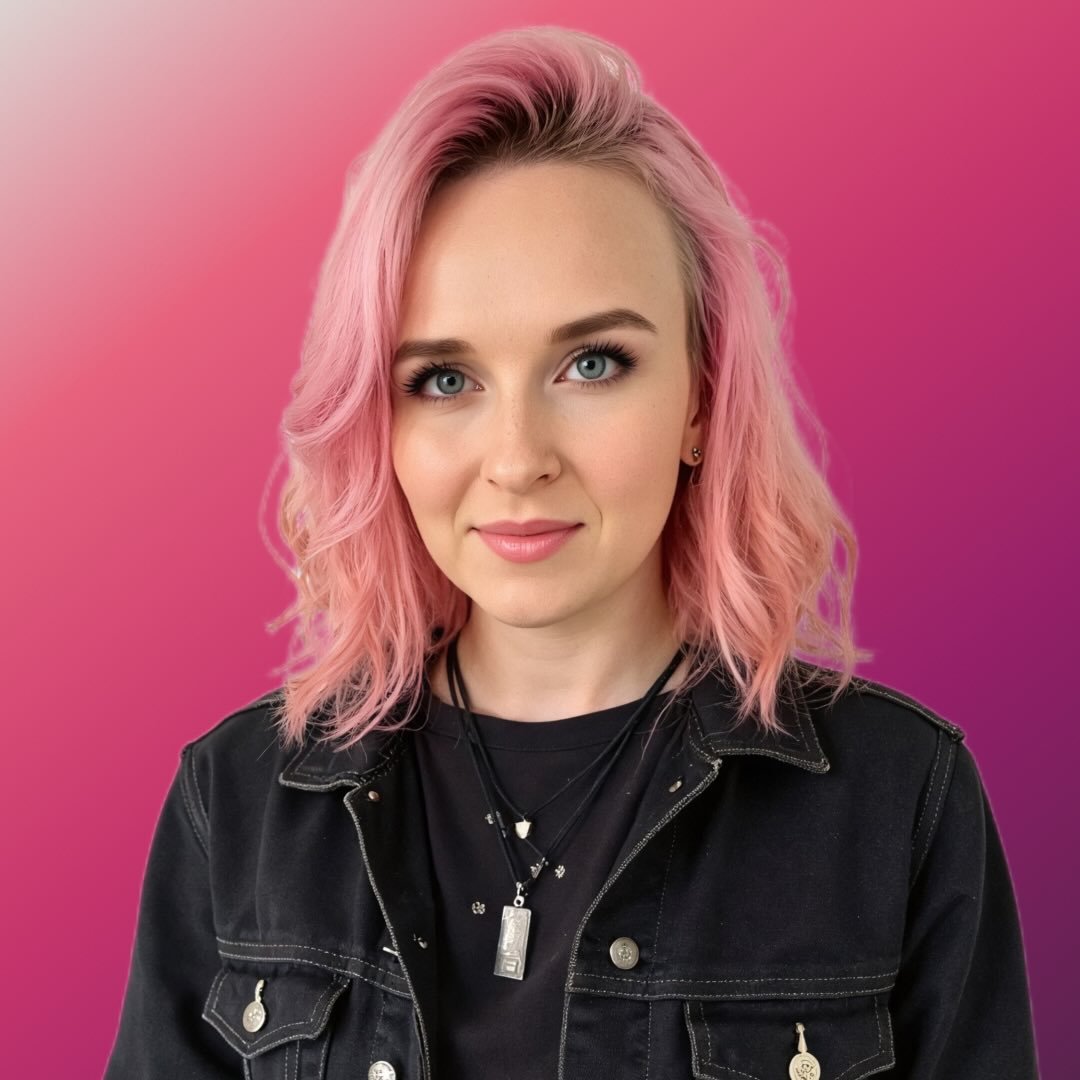
"Cathy was an absolute godsend for my business! She helped me realize why my website wasn’t converting. I knew already that her copywriting skills were off the charts as I had seen the results of her other clients, but what really impressed me was her strategic approach. "
Wiebke Uhlendorf
AI Consultant | Co-Founder of MyStoryPro AI

"As an ADHDer who isn’t consistent or methodical, I needed someone who could come alongside my work and follow thru where I can’t. Cathy comes with all the strategy and copy support that I’d been on the lookout for for the last several years, and I’m so grateful to be seeing the forward movement that I’ve always dreamed of."
Stephanie Galindo
ADHD & De-Shaming Coach

"Catalina was the best choice for our project. We launched a TikTok Christmas campaign with one hero asset: a cover song of a classic: „Santa Baby”. A song encouraging Santa to stay home and safe in 2020, performed by famous Romanian artists. She delivered flawlessly.
And this was no easy task since we wanted to get a serious message expressed in a lighthearted manner, with pop-culture elements here and there. "
Miruna Dumitrescu
Group Creative @ Publicis Romania
"Cathy looked at website data, email data and figured out ways to improve.
I finally feel like I can effectively communicate and connect with my customers!
Her mix of creativity and analytics is a winning combination."
Laura Beck
Founder of LottoLove
"Knowledgeable, kind, always listening.
A wordsmith extraordinaire with a strategic mind for designing funnels and writing copy and a stunning work ethic."
Ioana Stepanov
Brand Strategist & Agency Founder
"I was in the middle of a massive rehaul of my business. I was so close to it and couldn't quite fit all the pieces. I'd invested thousands in coaches and containers, and it fell short because they couldn't understand my vision.
Cathy understood my vision so deeply in such a unique and powerful way."
Vivian McKenzie
Embodied Visibility Coach
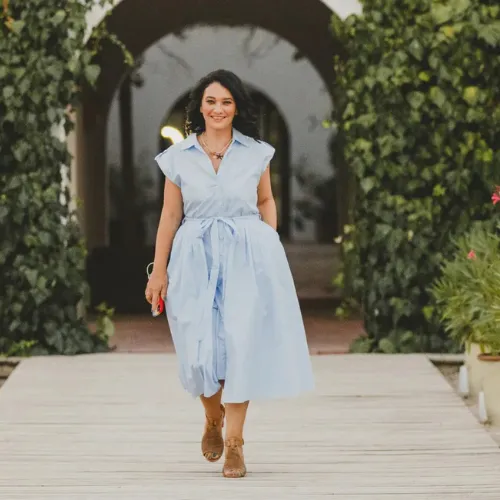
"My website copy lacked the necessary vibrancy to properly showcase the romantic and magical nature of beach weddings. Cathy has enhanced the overall user experience and led to tangible business growth."
Ramona Macovei
Destination Wedding Designer & Planner
"Cathy just made all the stuff in my head make sense. I was over-complicating everything about my business.
I had no clear path forward, and she helped me line up my next steps.
Cathy’s brain works differently and that’s where her creativity shines. She also cares so much about the work she does."
Shayla Bunting
Tech Problem Solver

"Cathy is not just whip smart and always ahead of you, but she is caring and thoughtful and treats my business as if it were her own. If you have the opportunity to work with her, don't wait - run and book her. You won't regret it and your business will thank you for it.
Kar Brulhart
Expert Brand Marketer
Af ter-Sale Solutions
the systems your business is missing
Pick one. Build it. Watch the same clients become worth more.
The Referral Engine
Build your 3 types of referral invites around the moments & the words your clients are most likely to say yes to.


The Continuity Offer
Keep your best clients close after the work is done. A next step that feels helpful & natural to them, and adds recurring revenue to you.
The Testimonial Show
Collect & display the right proof, at the right moment, in a tangible way... so it does real conversion work.


The Results Funnel
Get your DIY clients to implement & share their results. Fuel even more referrals, testimonials, and repeat buyers.

Invisible expertise made undeniable.
